


KEEGO Measurement Guide
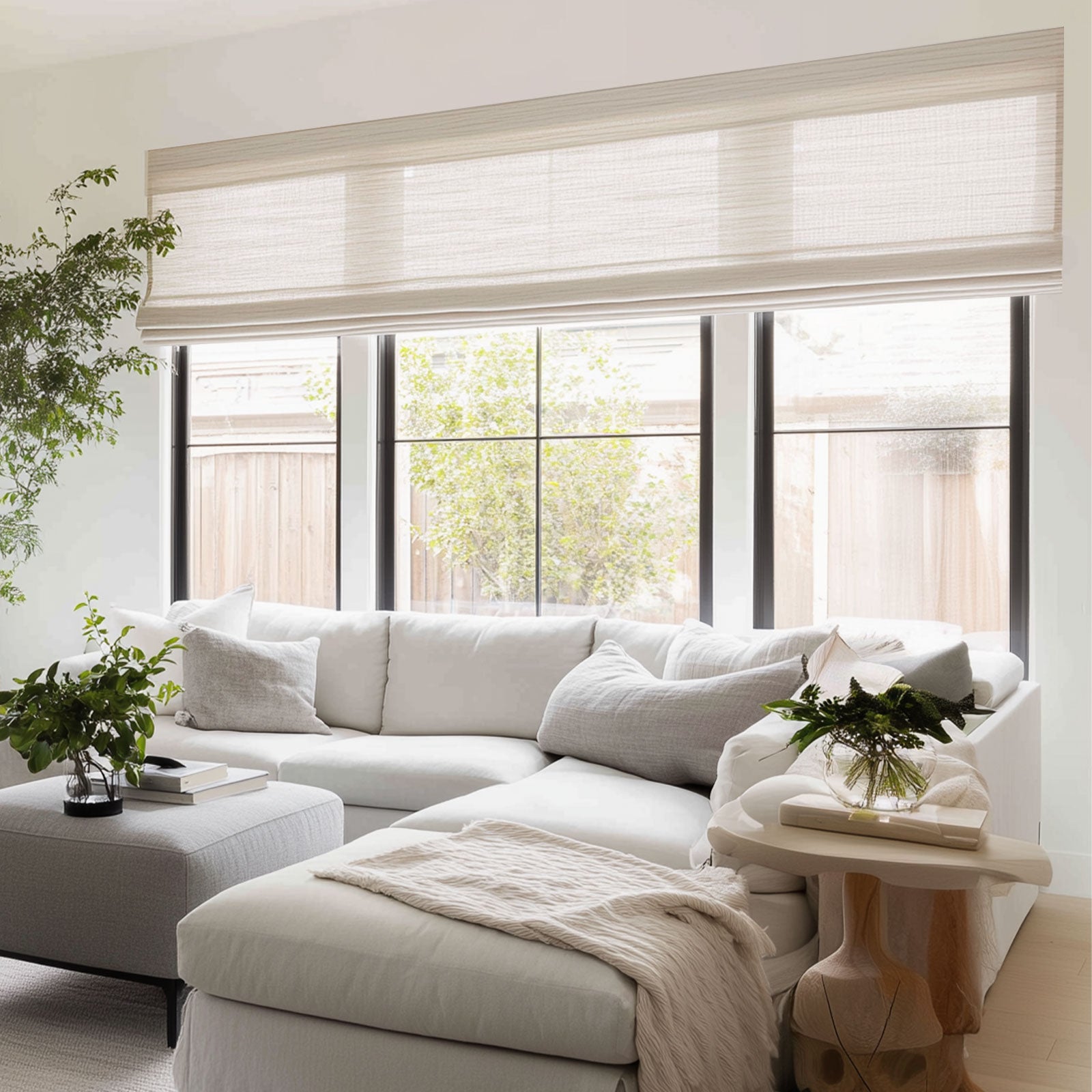
Inside Mount vs. Outside Mount: Which Should You Choose?
Before measuring your windows for Keego shades, it’s important to determine the mounting style. Both inside mount and outside mount options offer unique advantages and are suitable for different window types and design needs.
Understanding these differences will help you choose the best fit for your space and ensure accurate measurements.
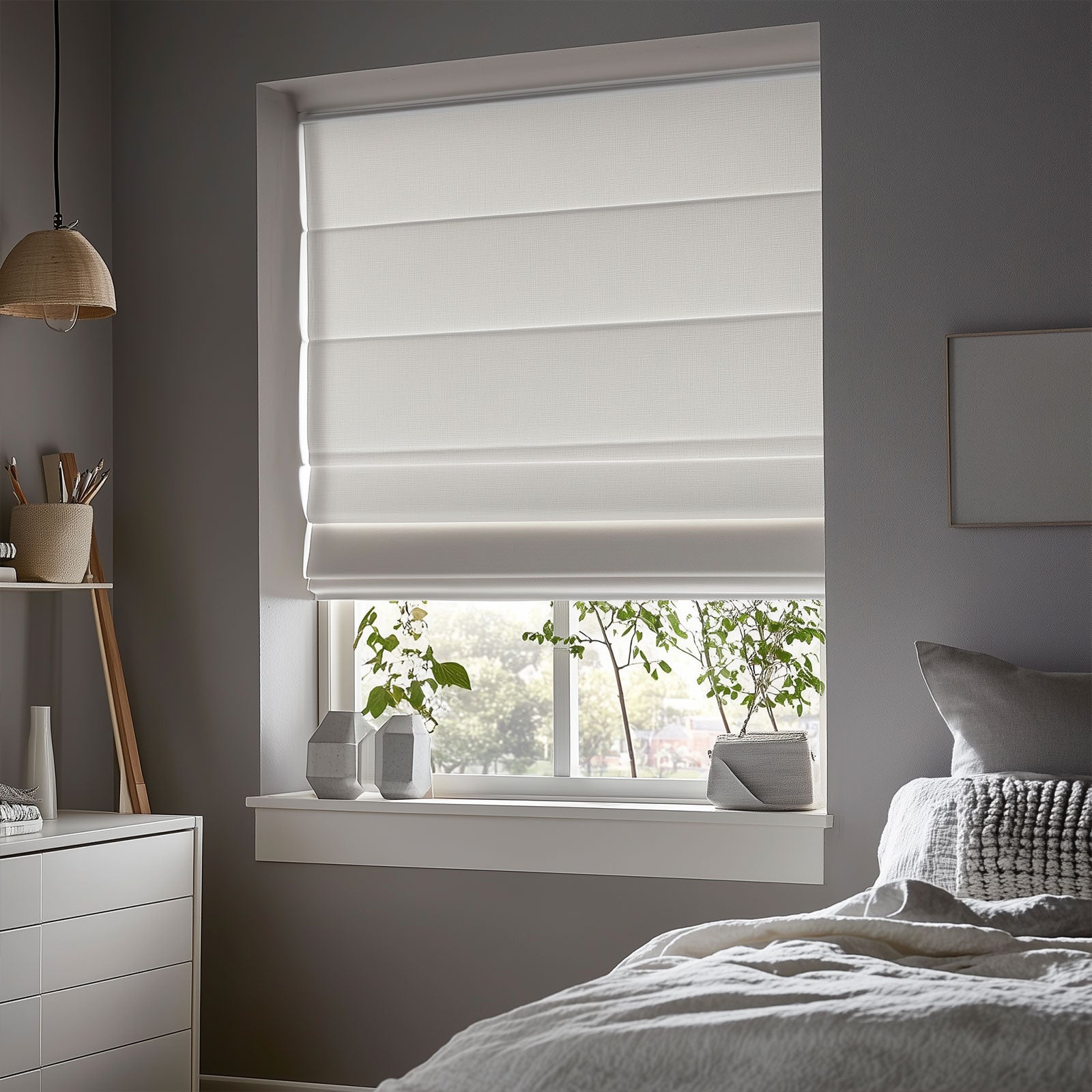
Choose Inside Mount When:
- Your window has sufficient frame depth to support an inside-mount installation.
- You prefer a clean, modern, and minimal look that sits neatly within the window frame.
- The window trim is attractive and you want to showcase it rather than cover it.
- You want window treatments that fit flush to the wall without extending outward.
- The window frame is solid and capable of holding the mounting brackets securely.
- Your home has newer, well-aligned rectangular windows that allow for precise inside measurements.
- The window sill extends outward, making an outside mount less practical.
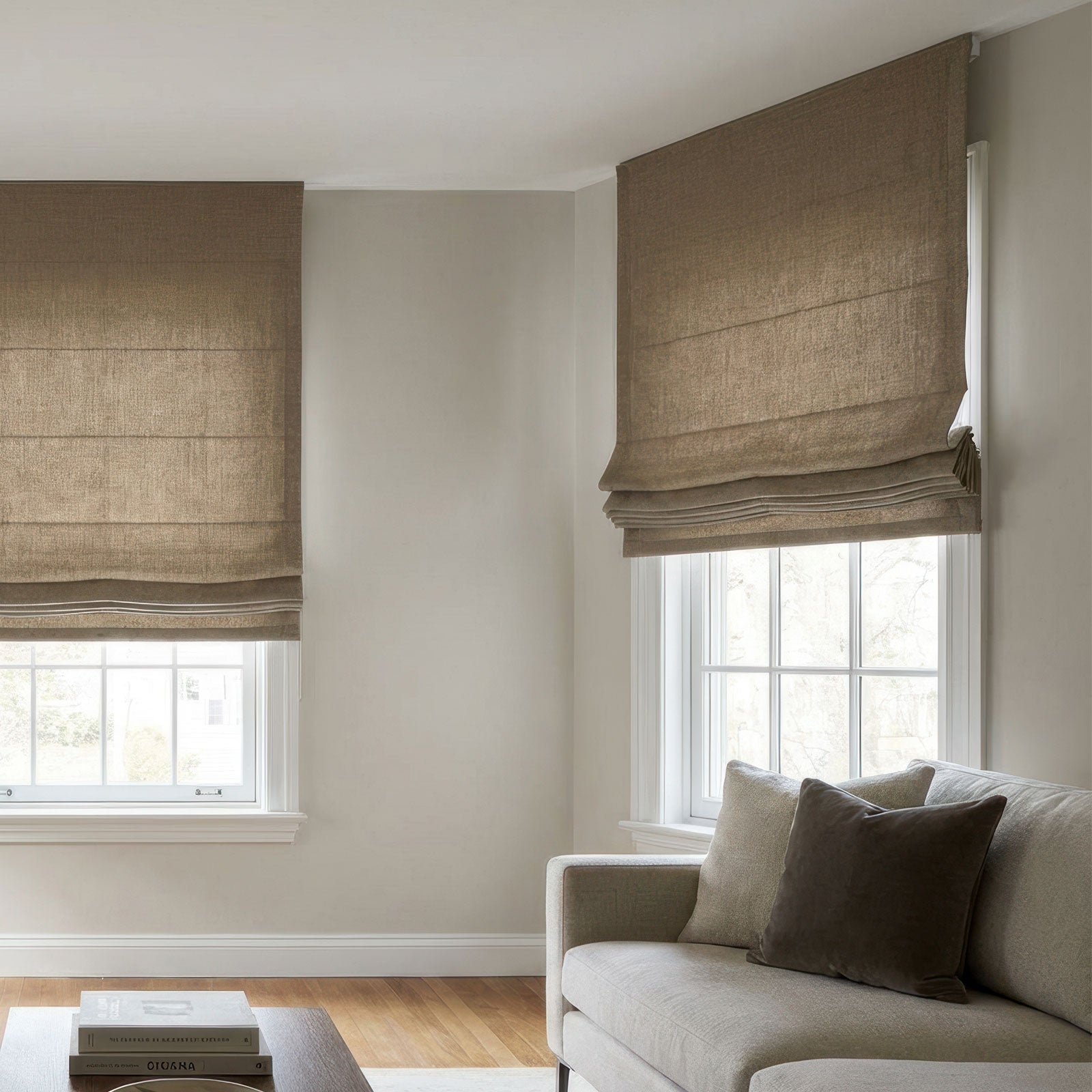
Choose Outside Mount When:
- The window frame lacks sufficient depth or is irregularly shaped, making inside mount unsuitable.
- You want to cover outdated or unattractive trim and give the window a cleaner, refreshed appearance.
- You need maximum light-blocking performance, especially for blackout shades.
- The window frame is too shallow or delicate to support inside-mount hardware.
- Privacy is a key concern and the shades must fully block outside visibility when closed.
- You want to create the visual effect of taller or wider windows by extending the shade beyond the frame.
- You prefer the shade to be less noticeable when rolled up, keeping the window area open and unobstructed.

Video Instruction - How to Measure for Blinds & Shades
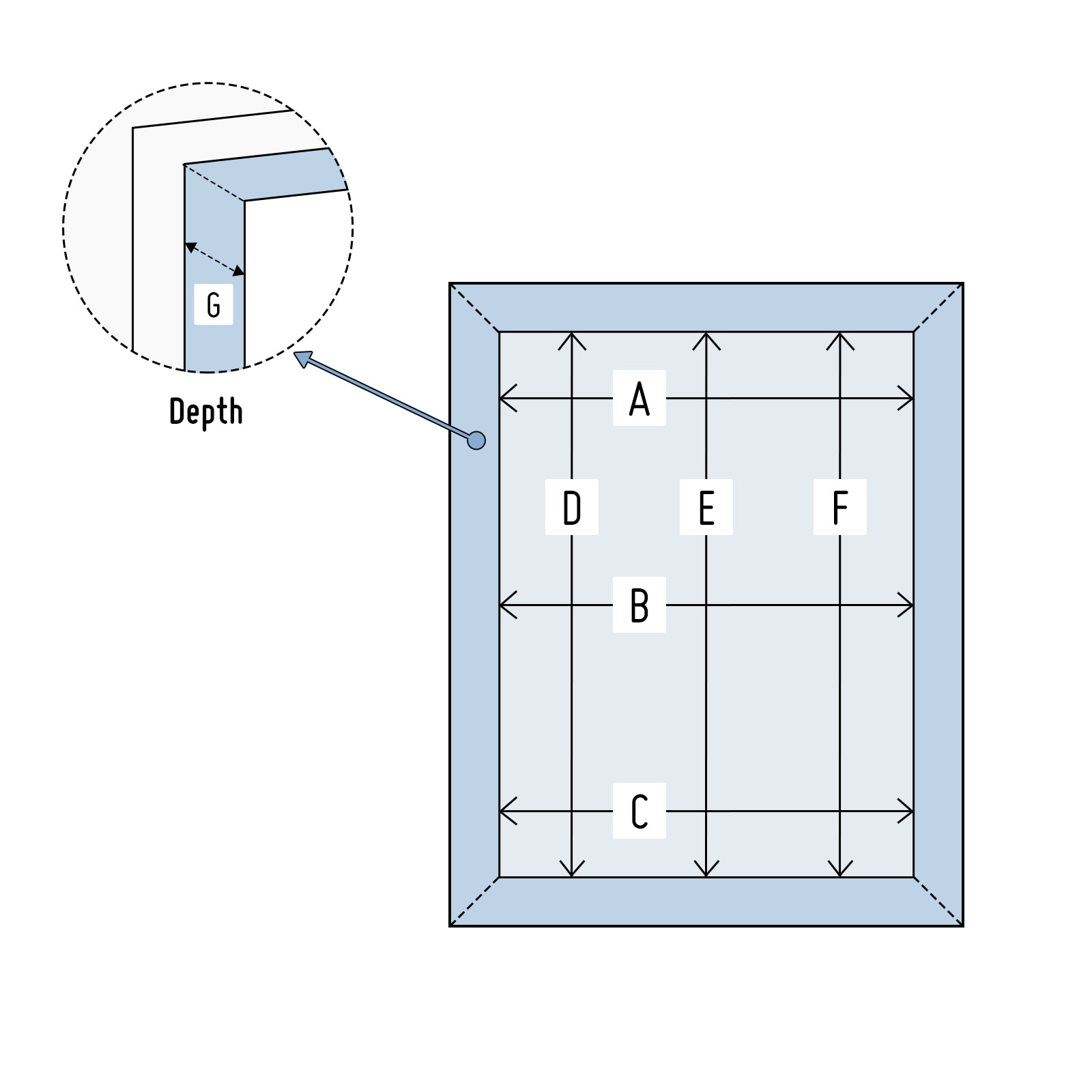
Measure the Window for Inside Mount
① Measure the Depth
Measure the depth at the top of the inside window casing to ensure adequate space for a secure inside mount. This measurement will also determine if a flush mount, where the product sits within the window frame without protruding, is possible. A minimum depth of different shades varies, kindly check the format below for the information of depth requirements for different shades, which is necessary for an inside mount.
② Measure the Width
For Shades: Due to potential irregularities in window shapes, it is recommended to measure the window at three places: across the top, middle, and bottom. Round each measurement down to the nearest 1/8 inch when ordering.
③ Measure the Length
To determine the length, also measure the window in three locations: across the left, center, and right. Use the largest of these measurements as your ordering length. Round each measurement down to the nearest 1/8 inch when ordering.
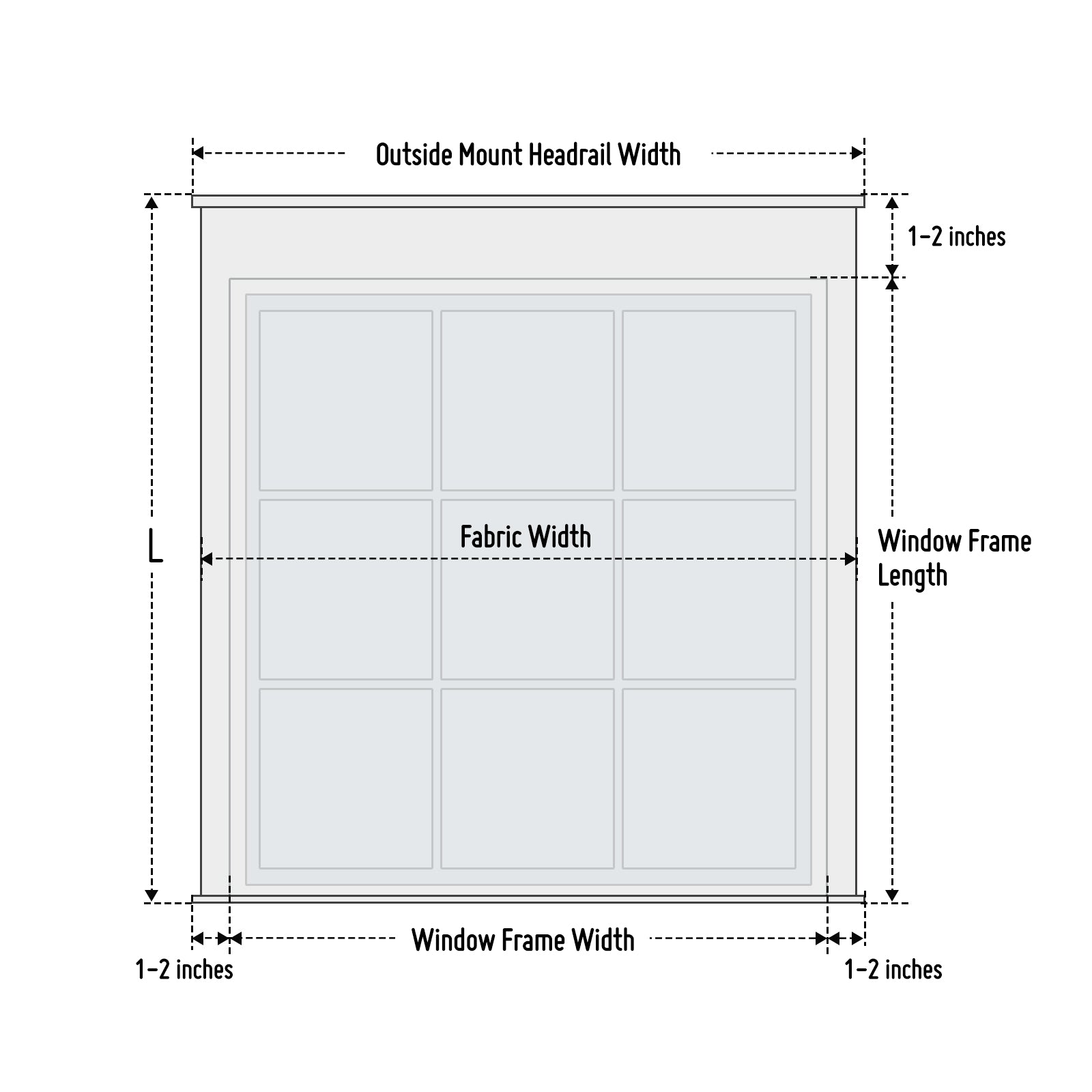
Measure the Window for Outside Mount
① Check the Space
Measure the height of the area above the window where the headrail of the shade will be mounted. Confirm that the space is sufficient to guarantee a secure and proper installation of the brackets and headrail.
② Measure the Width
Measure the width of the window. For framed windows, measure from the outer edge of the frame or trim. If space permits, it is recommended to add 2-4 inches (1-2 inches on each side) to this measurement to reduce light leakage. This adjusted measurement will be your ordering width, representing the overall width of the shade.
③ Measure the Length
Measure the height of the window(Frame outer edge to edge). If space permits, it is recommended to mount the shade at least 10-12 inches above the window frame to account for its stack height when fully rolled up and to maximize the window's exposure.